
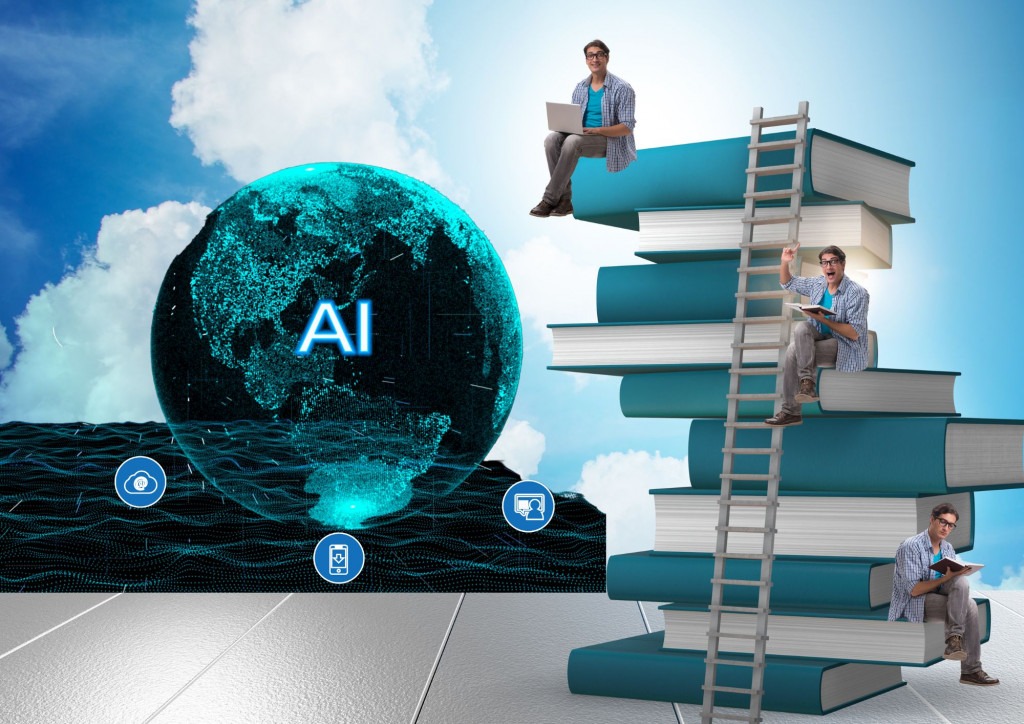
In today’s rapidly evolving technological landscape, education is undergoing a profound transformation. Traditional teaching methods are being enhanced and, in some cases, revolutionized by innovative digital tools. Among these advancements, the AI Homework Helper stands out as a significant development that is changing how students approach their studies and complete assignments.
The integration of artificial intelligence into educational processes represents a paradigm shift in how knowledge is disseminated and absorbed. No longer confined to the rigid structures of conventional classrooms, learning has become more fluid, personalized, and accessible. This evolution is particularly evident in how AI technologies are being deployed to support students in their academic journeys.
One of the most notable trends in education technology for 2025 is the shift from reactive to proactive AI support models. Early AI systems were designed to respond to specific queries—waiting for a student to ask a question before providing assistance. Today’s advanced systems can anticipate needs, identify potential learning gaps, and offer tailored support before the student even recognizes they require help. This predictive capability ensures that learning interventions occur at optimal moments, preventing knowledge gaps from widening.
The personalization of learning experiences represents another significant advancement. Modern AI systems analyze individual learning patterns, strengths, and weaknesses to create customized educational pathways. This approach ensures that each student receives instruction that aligns with their unique needs and learning style. For instance, if a student struggles with algebraic concepts, an AI system can recognize this challenge and adjust the curriculum accordingly, providing additional resources, alternative explanations, or more practice opportunities.
Accessibility has also improved dramatically with the implementation of AI in education. Students in remote or underserved areas now have unprecedented access to quality educational resources. Through AI-powered platforms, learners can connect with virtual tutors, access comprehensive educational materials, and receive immediate feedback on their work—all without requiring physical proximity to educational institutions.
The assessment landscape has similarly evolved. Traditional testing methods often provided limited insights into a student’s true understanding. AI-enhanced assessment tools now offer more nuanced evaluations, considering factors beyond simple right or wrong answers. These systems can analyze how a student approaches a problem, identify conceptual misunderstandings, and provide targeted feedback that addresses specific areas of confusion.
Teachers, too, benefit from these technological advancements. AI tools can automate routine administrative tasks such as grading multiple-choice assessments or checking attendance, freeing educators to focus on more meaningful interactions with their students. Additionally, AI systems can provide teachers with detailed analytics about student performance, helping them identify trends and adjust their teaching strategies accordingly.
The collaborative potential of AI in education extends beyond the student-teacher relationship. Peer-to-peer learning is enhanced through platforms that connect students working on similar topics or facing comparable challenges. These collaborative environments foster community building and encourage the development of communication and teamwork skills—competencies that are increasingly valued in modern workplaces.
As we move further into 2025, the integration of AI into educational processes is expected to accelerate. Schools and universities are adopting AI-powered solutions at unprecedented rates, recognizing their potential to enhance learning outcomes and operational efficiency. According to recent surveys, over 90% of educational institutions anticipate expanding their use of AI technologies in the coming years.
The ethical implications of AI in education cannot be overlooked. Questions about data privacy, algorithmic bias, and the appropriate balance between technological assistance and independent learning require careful consideration. Educational institutions must develop comprehensive policies that address these concerns while maximizing the benefits of AI integration.
Parents, too, have a role to play in this evolving educational landscape. Understanding how AI tools complement traditional learning methods can help them support their children’s academic development effectively. Open communication between parents, teachers, and students is essential to ensure that technology enhances rather than hinders the learning process.
Looking ahead, the future of education appears increasingly intertwined with artificial intelligence. As AI systems become more sophisticated, their ability to personalize learning experiences, identify areas for improvement, and facilitate collaborative learning will continue to expand. The key challenge for educators and policymakers will be to harness these technological capabilities while maintaining the human connection that lies at the heart of effective teaching.
In conclusion, the integration of AI into educational processes represents a significant opportunity to enhance learning outcomes and address longstanding challenges in education. By embracing these technological advancements thoughtfully, we can create more inclusive, engaging, and effective learning environments for students of all ages and backgrounds.